Business Name: BeeHive Homes of Clovis
Address: 2305 N Norris St, Clovis, NM 88101
Phone: (505) 591-7025
BeeHive Homes of Clovis
Beehive Homes of Clovis assisted living care is ideal for those who value their independence but require help with some of the activities of daily living. Residents enjoy 24-hour support, private bedrooms with baths, medication monitoring, home-cooked meals, housekeeping and laundry services, social activities and outings, and daily physical and mental exercise opportunities. Beehive Homes memory care services accommodates the growing number of seniors affected by memory loss and dementia. Beehive Homes offers respite (short-term) care for your loved one should the need arise. Whether help is needed after a surgery or illness, for vacation coverage, or just a break from the routine, respite care provides you peace of mind for any length of stay.
2305 N Norris St, Clovis, NM 88101
Business Hours
Monday thru Sunday: 9:00am to 5:00pm
TikTok: https://tiktok.com/@beehivehomes_clovis
YouTube: https://www.youtube.com/@WelcomeHomeBeeHiveHomes
Facebook: https://www.facebook.com/beehiveclovis
Instagram: https://www.instagram.com/beehivehomesclovis/
Walk into a strong memory care program and you will not see people being kept hectic for the sake of it. You will see function, rhythm, and components of real life that feel familiar. Bingo fits for those who like it, however it often sits too far from the goals that matter in dementia care: preserving identity, reducing distress, supporting movement and function, and developing minutes of pride. When activity programs in a memory care home or assisted living community reflect these objectives, involvement climbs and behaviors that challenge start to soften.
Start with the goals, not the calendar
The finest calendars start with a question: What do we desire this activity to do for the individual in front of us? Activities are not decoration, they are interventions. They can resolve lethargy, agitation, isolation, or deconditioning if they are mapped to objectives and customized to each person's stage and preferences.
Consider a resident like Marie, a previous curator who now needs moderate assistance. She withdraws in groups but illuminate around books and kids. An art class at 2 p.m. May not touch her, yet a peaceful story sorting activity in the early morning with a volunteer from the local preschool can tap her skills and raise her mood all the time. The goal was engagement without overstimulation, and the activity was a way to reach it.

When I prepare with teams, I anchor programming in five core aims:
- Maintain function through daily motion and job practice Reduce distress and promote comfort using sensory input and predictable routines Preserve identity and agency by honoring life functions and choices Strengthen social connection with peers, personnel, household, and the broader community Spark happiness and meaning through creativity, humor, and little successes
Each aim indicate different methods, and the same activity can serve more than one goal. A cooking group can deliver motion, sensory stimulation, and a sense of contribution, if it is established with the ideal level of assistance and safety.
Sensory work that soothes and focuses
People living with dementia typically process sensory details in a different way. Insufficient input can feed lethargy; excessive can overwhelm. Structured sensory activities let us strike a better balance. I have actually seen a simple "scent cart" change the climate of a corridor in minutes. Orange peel, cinnamon sticks, fresh rosemary, ground coffee, and lavender sachets end up being triggers for conversation and deep breathing. Staff roll the cart during the mid-afternoon depression, offer options instead of commands, and expect smiles or frowns that indicate preference.
Texture welcomes expedition too. A tactile box with smooth river stones, knitted squares, and soft brushes offers uneasy hands something safe to do. In a memory care home where one resident repeatedly gathered napkins from tables, we produced a folded linen station. She sorted fabrics by color and stacked them, a task that fed her need to handle material and "get things prepared."
Soundscapes work best when they match mood and time of day. In the morning, birdsong and light piano can cue wakefulness. After lunch, ocean waves or rains can settle a busy room. Earphones assist when one person likes country ballads and a next-door neighbor prefers classical strings, and they preserve autonomy in a shared space. Prevent tracks with unexpected crescendos or radio chatter, which can surge anxiety.
Two cautions make sensory strategies much safer. Initially, check for skin level of sensitivities and asthma before utilizing essential oils or strong fragrances. Second, generate choice at every action. Offer, do not firmly insist. An individual who turns away is offering feedback you can use.
Movement with purpose beats workout by rote
Exercise classes have worth, yet they typically fail when they feel abstract or infantilizing. I have much better luck embedding movement in familiar jobs and brief bouts that suit attention spans.
Set up "functional physical fitness" stations that mirror day-to-day tasks. One station might be light laundry, reaching to put towels on a rack or matching socks across a table. Another could be garden prep, scooping potting soil and transferring it in between containers. Chair yoga can weave in reaching to a pretend pantry, twisting to check an imaginary oven, and standing to pull open a persistent drawer with staff support at the elbow. Frame each move with a purpose, not a command to "exercise."
Music lifts movement. Brief dance socials after breakfast, with 3 or 4 favorite songs, can change a long class that most people skip. The beat does half the work for you. Where falls threat is high, hand-held headscarfs or ribbons provide individuals something to follow without fast turns. For those who utilize wheelchairs, rhythmic clapping patterns and call and response songs can build upper body endurance and breath control.
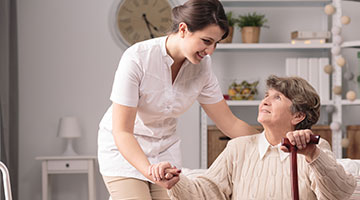
For locals who walked daily before admission, a simple walking club after lunch constructs routine and manages sleep later on. Select safe loops inside during winter, mark resting chairs every 50 feet, and commemorate distance in concrete terms. I have actually seen a resident who once circled around the very same hall aimlessly start to loop with a purpose when staff started "mail shipment" strolls, placing notes in door pouches and chatting with next-door neighbors on the way.
Outcome tracking for motion is not made complex. A weekly note that "Mr. S stood from his chair 8 times with contact guard" or "Ms. R walked the green loop two times with one rest stop" offers the treatment group something to construct on and notifies nursing to modifications that might indicate pain or infection.
Life roles, not simply activities
Identity does not vanish with a dementia diagnosis. It shifts, and it calls us to be detectives. A memory care home that honors functions will look various from one that deals with everybody as a generic "resident."
Work with families to gather a life story within the very first week. Inquire about tasks however also about regimens that define a person's sense of self. Did they always inspect the weather condition first thing? Do they choose to fix instead of chat? Are they the eldest sibling who dealt with arrangements?
Then, produce micro-roles that fit. A retired mechanic can be your BeeHive Homes of Clovis respite care "tool checker," safely sorting a bin of smooth, non-sharp products and placing labels on drawers. A former instructor can lead a mild morning welcoming, reading the day's short quote or indicating the calendar. A long-lasting host can help set out cups before tea. These jobs need not be perfect to be genuine. You will see posture change when the activity touches an old role.
I as soon as worked with a woman who ran a small bakery. Short-term amnesia made following a dish unrealistic, yet her hands kept in mind dough. We switched from baking to finishing. She brushed egg wash on pre-made rolls, sprinkled sugar, and called out "Tray coming through." The cooking area made area for her at non-peak times. It was 10 minutes of belonging that had causal sequences for hours.
Risk enablement matters here. Teams often default to "no" for fear of liability. Put in location basic risk assessments, train on one-to-one assistance and ecological tweaks, and you will find many more "yes" minutes that are safe enough and deeply meaningful.
Music that surpasses sing-alongs
Everyone talks about music in dementia care, and for good reason. Rhythm and tune typically stay accessible when language fades. Yet sing-alongs led from the front can fall flat if the song list is narrow or the group is large.
Personalized playlists, developed with families, are the foundation. Aim for 15 to 20 tracks per individual, covering different moods. Early morning tracks need to hint energy; late afternoon must relieve. Headphones and a little gamer set out on a name-labeled tray eliminate barriers. Train staff to use music proactively when they see pacing, refusal of care, or sundowning start.
Drumming circles can use robust engagement, even for individuals who do not speak much. Usage light-weight hand drums and shakers. Start with call and tap patterns that anybody can mimic, and let the group set the pace. Avoid the desire to talk too much. When words are couple of, the beat does the talking.
Lyric conversation works well for early and moderate stages. Select a familiar tune with clear themes. Play it as soon as, then ask easy, open concerns: What does this advise you of? Who used to sing this in the house? Keep it short, and record the stimulates of memory that surface area so you can weave them into future visits or care prompts.
Measure impact by enjoying faces and bodies. Are eyes brilliant, shoulders unwinded, and fingers tapping? Keep in mind which tracks pull somebody back into contact. Develop on that.
Nature as co-therapist
Time outside resets the nerve system. Lots of assisted living and memory care neighborhoods have a yard that goes underused due to the fact that of staffing patterns or fear that citizens will wander. With planning, nature time can be regular and safe.
Aim for brief, scheduled outdoor moments connected to regimens. Early morning coffee on the patio area with lap blankets in cooler months provides light direct exposure that assists regulate sleep. A late-day stroll around raised garden beds provides uneasy walkers a location. Location sturdy seating every couple of lawns. Set up a simple gate alarm if elopement threat is high, and use lanyards or brilliant hats to keep the group noticeable without including stigma.
Gardening can be adjusted to all levels. For early-stage residents, plant and tend herbs they can pinch and smell. For those who require hand-over-hand support, established seed sorting by color or size. Watering with a little, easy-grip can is often successful and safe. I keep clover and nasturtiums on hand due to the fact that they grow quickly sufficient to reward attention in a week.
When weather is poor, bring nature in. A clear bird feeder mounted near a typical room window, a turning "nature basket" with pinecones and shells, and brief videos of local parks can still produce the settling effect. Keep the visual field calm to avoid overstimulation.
Technology that serves relationships
Tablets, digital frames, and video calls can deepen connection when led by human hands. The gadget is not the activity, it is the bridge.
Use tablets for brief, purpose-driven sessions. A ten-minute slideshow of household images, told by a daughter on speakerphone, can focus a resident who usually declines a shower. Easy art apps that respond to touch with color and noise can engage people with limited language. Prevent busy video games or busy screens. Place the tablet on a stand to avoid tiredness and instability.
Video calls need structure. Schedule them when the resident is most alert, often mid-morning. Coach household to speak gradually, greet with the resident's name initially, and use clear visual props. If grandkids are involved, have them reveal an illustration or an animal rather than count on conversation alone. Keep it short, end on a high note, and write down what worked for next time.
Digital image frames in private spaces are underused gems. Load them with 50 to 100 images that tell a story, not random shots. Include homes, work environments, wedding images, favorite travel scenes, and even the resident's favorite chair. Set the period to 10 or 15 seconds, not 2, to allow time for recognition. Location the frame throughout from the bed, where it can serve as a quiet anchor throughout uneasy nights.
Creative arts with real materials
People know the distinction in between crafts meant for adults and kids' tasks rebadged as "activity." Select products that respect adult perceptiveness and adapt the process to the person.
Watercolor is forgiving and dignified. Tape paper to a board for stability, use two brushes and two color options to restrict choices, and reveal a sample that cues success without recommending. Use stencils of leaves or basic shapes for those who require boundaries. Work in small groups to feed social energy without sound overload.
Clay welcomes both strength and finesse. Air-dry clay allows for rolling, flattening, and stamping with discovered items. For citizens who perseverate or grip firmly, a softer dough version may be better. Display completed pieces in a well-lit case with name plaques. Acknowledgment matters.
Fiber arts like loom knitting or easy weaving can be calming for people who were once knowledgeable with their hands. I keep a box of material strips in vibrant colors and a little lap loom. Staff can start the first rows and invite a resident to continue during quiet times. The tactile rhythm assists settle nervous pacing.
Improv theatre, adapted for dementia care, uses short, assisted scenes with props. A hat and a classic train ticket can start a mild call and reaction. The guideline is always "Yes, and" rather than correction. Laughter comes naturally when the frame is lively and safe.
Cognitive stimulation without fatigue
Traditional brain games typically land incorrect. They can feel like tests, and tests can humiliate. Stimulation ought to be embedded and success-oriented.
The Montessori for dementia approach uses a strong foundation. Tasks are burglarized workable steps, products are self-correcting, and the person can see when they are right without being informed. Believe arranging images of animals into farm versus zoo, matching identified spice containers with their lids, or sequencing pictures of making tea. Present one action at a time, left to right if that was the individual's reading routine, and decrease verbal instruction.
Spaced retrieval training has excellent evidence for teaching a little, beneficial piece of information, like "Where is my room?" or "Press the red button for help." You ask the question, wait a short interval, ask once again, and slowly increase the period when the individual responses correctly. Keep it short, 2 to five minutes, and concentrate on one target at a time.
Reminiscence with items, not simply talk, roots memory in the senses. A box identified "Fishing" with a reel, bobbers, and pictures of local lakes can trigger stories that are otherwise unattainable. Prevent quizzing about dates. Follow the emotion instead.
Mealtime as therapy
Food ties together memory, culture, and comfort. Rather of treating meals as logistics, make them a day-to-day activity with therapeutic value.
Family-style service, where safe, improves option and appetite. Personnel can guide by using two choices at a time and using contrast colored plates to support visual processing. Invite residents to take part in setting tables, buttering bread, or stirring soup in heat-safe containers. The scents alone can wake appetite more effectively than supplements.
Tasting sessions trigger discussion and cognition. Set out small samples of three seasonal fruits, for example, and explore sweet, sour, and texture with basic words. Tie tastings to a memory thread, like "summer season at the lake," and you will hear stories while you fulfill hydration goals.
For individuals with advanced dementia, hand-held foods minimize frustration. Construct self-respect into style. Serve mini crustless quiches instead of nuggets, warm vegetable fritters instead of plain toast fingers, and deal dipping sauces in small bowls that look and feel adult.
Community that reaches in and out
Isolation undercuts every other goal. Securely bringing the broader neighborhood into memory care creates range and purpose.
Partnerships with local schools work well when expectations are clear. Brief visits with 2 or 3 students at a time, an easy shared task like checking out a photo book or planting a seed cup, and structured hellos and bye-byes avoid turmoil. Train trainees to present themselves every time and to withstand fixing. The energy exchange can change a quiet afternoon.
Pet visits require screening. Not every animal is a fit. Pick calm, groomed pets with foreseeable characters and handlers who understand consent signals. Keep visits brief and fixed, allowing locals to choose to approach. For those with allergic reactions, robotic family pets can offer an unexpected level of comfort through vibration and gentle motion without fur.
Volunteers from faith or civic groups can lead easy routines that numerous older adults discover grounding, like a hymn sing or a thoughtful reading. Keep teaching light to regard varied beliefs, and constantly use an opt-out nearby.
Tracking what matters
A program shines when the group can see what works and change. Documentation need not be burdensome.
Use quick participation logs that record who engaged, for how long, and visible impacts on state of mind or behavior. Keep in mind if an activity reduced exit seeking for thirty minutes or enhanced meal consumption later. Tie logs to care strategies with clear, individual objectives: "Mrs. T will take part in an everyday scent and music session in between 3 and 4 p.m. To minimize late afternoon agitation, as evidenced by fewer attempts to leave her space."
Pull in basic scales as needed. The Cornell Scale for Depression in Dementia, the Cohen Mansfield Agitation Stock, or a facility's movement checklist can show change over weeks. Share wins in shift gathers so everyone knows the levers that help.
Building a weekly rhythm without falling under ruts
Balance range with predictability. Individuals do much better when the day has a shape they can rely on. Mornings may highlight light, movement, and jobs. Afternoons can lean toward sensory support, quieter social time, and music. Evenings need to concentrate on comfort and routines that cue sleep.
A good week consists of anchors. Perhaps Monday mornings always include baking preparation, Tuesdays bring the garden enthusiast's cart, Wednesdays host intergenerational visits, and Fridays end with a brief live music set. Within the anchors, rotate the specifics to keep interest alive. A "functions" board near the dining room can remind everybody of their contributions that day.
Five relocates to elevate a program ideal now
- Map three citizens to 3 objectives each, then compose one tailored activity for every single goal Replace one generic group activity with a role-based job that utilizes real materials Build one sensory cart and release it daily at the hardest hour on the unit Train staff to use personal playlists at three common friction points, waking, bathing, and sundown Start a ten-minute, twice-daily motion routine tied to routines, like "mail walk" after lunch and "dance circle" before dinner
Train the group, alter the culture
Activities prosper or stop working in the hands of individuals providing them. You can purchase all the props you like, but without training and a shared state of mind, they collect dust.
Teach personnel to see behaviors as interaction. Validation techniques, like showing feelings before redirecting, reduce head-to-head disputes. A resident stating "I need to go to work" might be calling a requirement for function, not transport. Hand them a clipboard, request help inspecting the dining room, and you will typically see the storm pass.
Language matters. Avoid childlike terms and praise that feels patronizing. "You did that" is better than "Great job." Offer options that are real, not rhetorical. "Would you like to water the basil or the mint?" brings self-respect. Never shock with physical support. Tell what you are about to do, and request cooperation.
Consistency throughout shifts is the tough part. Use short, focused huddles and visual hints, like a white boards that highlights the day's anchors and which residents have actually a targeted prepare for sundowning. Leadership must protect time for activity personnel to work together with nursing and therapy. The best programs reside in the circulation of the day, not just in a calendar on the wall.
Edge cases and trade-offs
Not every resident will take pleasure in every innovation. Some people will always pick bingo and discover real joy in the routine and the simplicity of the guidelines. Keep it, but put it along with other options. Others might become upset by sound, smells, or a congested room. For them, a one-to-one session or a peaceful corner version of a group activity is better.
Safety is real, and yet overprotection can strip significance. Weigh risks against advantages in a structured way. A monitored five-minute function in the cooking area, without any heat or sharp tools, brings minimal threat with high benefit. Outdoor time must not disappear because one resident has a history of exit looking for. Solutions like a 2nd employee, visual barriers, or a wearable alert can open the door.
Staff bandwidth is restricted. Pick interventions that incorporate into care, not just contribute to it. Personal playlists at bath time, movement during transfers, and sensory carts throughout understood rough patches make good sense because they fold into what staff already do.
What modifications when we go beyond bingo
The space feels various. You hear more first names and less commands. You see shoulders drop, eyes soften, and hands find something to do that is not picking at clothes or the edge of a napkin. Families notice that visits go much better when there is a shared activity at hand. Personnel morale increases because success appears more frequently, and since the work feels like care, not containment.
Innovative activities are not expensive techniques; they are thoughtful applications of goals to the daily life of a person with dementia. In a memory care home or assisted living setting, this state of mind moves the work from home entertainment to treatment, from schedule-filling to identity-honoring. Keep listening, keep adjusting, and let the person in front of you be your curriculum.
BeeHive Homes of Clovis provides assisted living care
BeeHive Homes of Clovis provides memory care services
BeeHive Homes of Clovis provides respite care services
BeeHive Homes of Clovis supports assistance with bathing and grooming
BeeHive Homes of Clovis offers private bedrooms with private bathrooms
BeeHive Homes of Clovis provides medication monitoring and documentation
BeeHive Homes of Clovis serves dietitian-approved meals
BeeHive Homes of Clovis provides housekeeping services
BeeHive Homes of Clovis provides laundry services
BeeHive Homes of Clovis offers community dining and social engagement activities
BeeHive Homes of Clovis features life enrichment activities
BeeHive Homes of Clovis supports personal care assistance during meals and daily routines
BeeHive Homes of Clovis promotes frequent physical and mental exercise opportunities
BeeHive Homes of Clovis provides a home-like residential environment
BeeHive Homes of Clovis creates customized care plans as residents’ needs change
BeeHive Homes of Clovis assesses individual resident care needs
BeeHive Homes of Clovis accepts private pay and long-term care insurance
BeeHive Homes of Clovis assists qualified veterans with Aid and Attendance benefits
BeeHive Homes of Clovis encourages meaningful resident-to-staff relationships
BeeHive Homes of Clovis delivers compassionate, attentive senior care focused on dignity and comfort
BeeHive Homes of Clovis has a phone number of (505) 591-7025
BeeHive Homes of Clovis has an address of 2305 N Norris St, Clovis, NM 88101
BeeHive Homes of Clovis has a website https://beehivehomes.com/locations/clovis/
BeeHive Homes of Clovis has Google Maps listing https://maps.app.goo.gl/SMhM3zbKaKgR1UAX6
BeeHive Homes of Clovis has TikTok page https://tiktok.com/@beehivehomes_clovis
BeeHive Homes of Clovis has Facebook page https://www.facebook.com/beehiveclovis
BeeHive Homes of Clovis has Instagram page https://www.instagram.com/beehivehomesclovis/
BeeHive Homes of Clovis has an YouTube page https://www.youtube.com/@WelcomeHomeBeeHiveHomes
BeeHive Homes of Clovis won Top Assisted Living Homes 2025
BeeHive Homes of Clovis earned Best Customer Senior Service Award 2024
BeeHive Homes of Clovis placed 1st for Senior Living Communities 2025
People Also Ask about BeeHive Homes of Clovis
What is BeeHive Homes of Clovis Living monthly room rate?
The rate depends on the level of care that is needed. We do a pre-admission evaluation for each resident to determine the level of care needed. The monthly rate is based on this evaluation. There are no hidden costs or fees
Can residents stay in BeeHive Homes until the end of their life?
Usually yes. There are exceptions, such as when there are safety issues with the resident, or they need 24 hour skilled nursing services
Do we have a nurse on staff?
No, but each BeeHive Home has a consulting Nurse available 24 – 7. if nursing services are needed, a doctor can order home health to come into the home
What are BeeHive Homes’ visiting hours?
Visiting hours are adjusted to accommodate the families and the resident’s needs… just not too early or too late
Do we have couple’s rooms available?
Yes, each home has rooms designed to accommodate couples. Please ask about the availability of these rooms
Where is BeeHive Homes of Clovis located?
BeeHive Homes of Clovis is conveniently located at 2305 N Norris St, Clovis, NM 88101. You can easily find directions on Google Maps or call at (505) 591-7025 Monday through Sunday 9:00am to 5:00pm
How can I contact BeeHive Homes of Clovis?
You can contact BeeHive Homes of Clovis by phone at: (505) 591-7025, visit their website at https://beehivehomes.com/locations/clovis/ or connect on social media via TikTok Facebook or YouTube
You might take a short drive to the Greene Acres Park. Greene Acres Park offers a neighborhood green space ideal for assisted living, memory care, senior care, elderly care, and respite care strolls.